 Drying Technology

Key words:sludge treatment ,Urban Wastewater Treatment
Drying the sludge has the following advantages:
(1) Reduction: Due to the high water content of the sludge, the volume is large and fluid. After the above process, the volume of sludge is reduced to one tenth of the original, and it is converted from liquid to solid, which is convenient for transportation and consumption.
(2) Stabilization: The sludge has a high content of organic matter, which is easily corrupted and produces foul odors. After the treatment in the digestion stage in the above process, part of the perishable organic matter is decomposed and transformed, which is not easy to be corrupted, and the odor is greatly reduced, which is convenient for transportation and disposal.
(3) Harmless: The sludge, especially the primary sludge, contains a large number of pathogenic bacteria, parasite eggs and viruses, which are easy to cause large-scale spread of infectious diseases. After the digestion stage in the above process, most of the eggs, pathogenic bacteria and viruses can be killed, and the sanitary index of the sludge can be greatly improved.
(4) Recycling: Sludge is a resource, which contains a lot of heat, and its calorific value is between 10,000 and 15,000 kJ/kg (dry mud), which is higher than coal and coke. In addition, sludge is also rich in nitrogen, phosphorus and potassium, which is an organic fertilizer with high fertilizer efficiency.
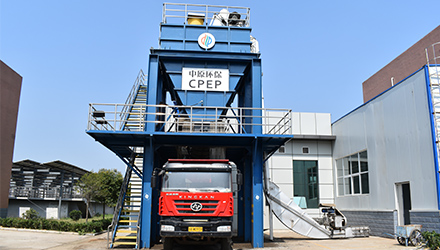
The sludge drying process is mainly divided into mechanical pressing drying process and heating drying drying process.
Among them, the mechanical pressing drying process also includes the ordinary mechanical drying process, the membrane filter pressing drying process, and the combined mechanical drying process.
(1) Commonly used common mechanical dehydration methods are belt filter dehydrator dehydration and screw press centrifuge dehydration. Both of these two types of machines make sewage with an initial concentration of about 97% moisture content into sludge with about 80% moisture content through a first-stage pressing and filtration.
(2) Diaphragm filter press drying process means that the sludge generated in the sewage treatment process is transported to the sludge treatment tank by a pump, and after dosing and tempering (pharmaceutical PAM and flocculant), stirring treatment, the sludge and the chemical are fully reacted , the sludge moisture content is adjusted to 95%~97%, and then transported to the sludge diaphragm filter press through the pump. After filtering and pressing, it is decomposed into dry sludge and filtrate with 45%~55% moisture. The dry sludge can pass through Boiler incineration treatment.
(3) Combined mechanical dehydration is a two-stage mechanical dehydration, that is, the first-stage diaphragm filter press is dehydrated and then a powerful belt filter press is added for secondary dehydration. The main process flow is as follows: the sludge solution with a moisture content of 97% in the sewage treatment plant is transported to the sludge tank for storage by the sludge pump, and is conditioned and tempered by medicine (pharmaceutical PAM), and fed to the diaphragm plate machine through the screw pump to be pressed to 55% water content After the rate is reduced, it is sent to a powerful belt press through a belt conveyor for filtration until the moisture content is 40%~50%, and the dry sludge can be treated by boiler incineration.
The heating drying and drying process also includes the flue gas thermal drying process, the steam thermal drying process, and the heat transfer oil thermal drying process.